IHANA KOTI
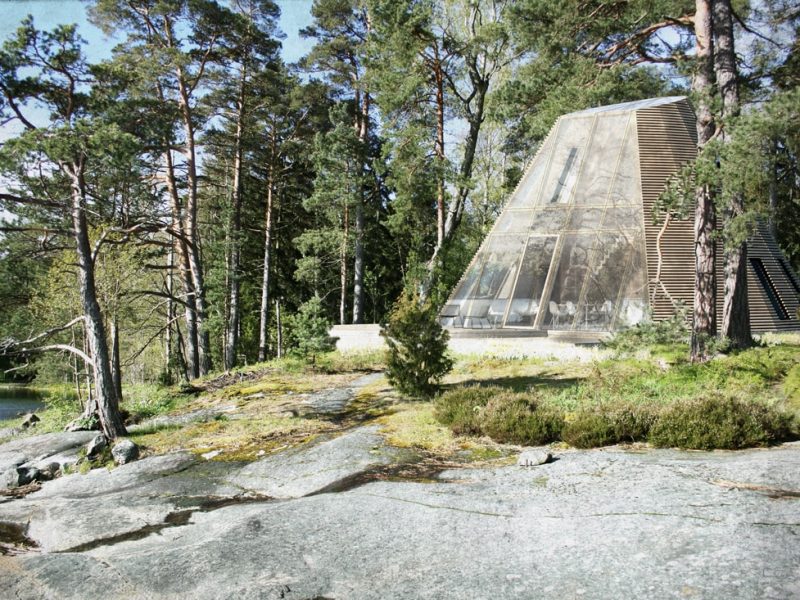
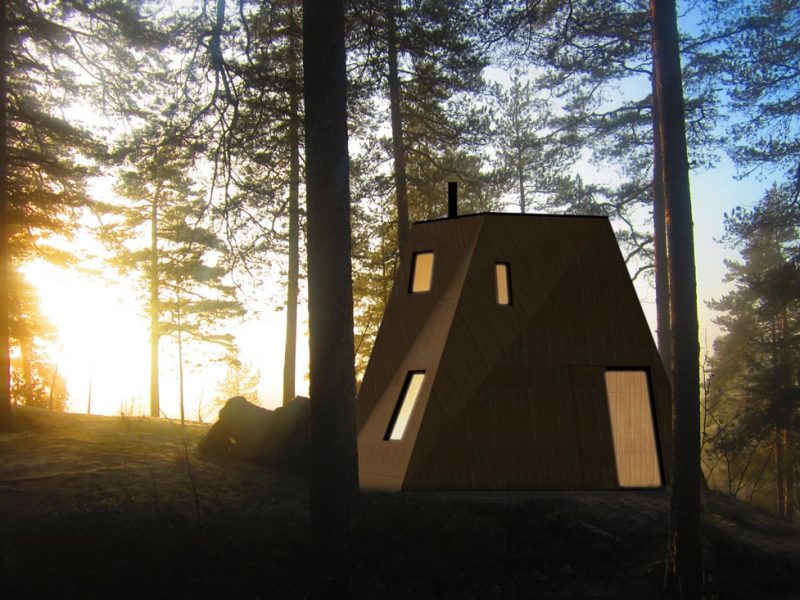
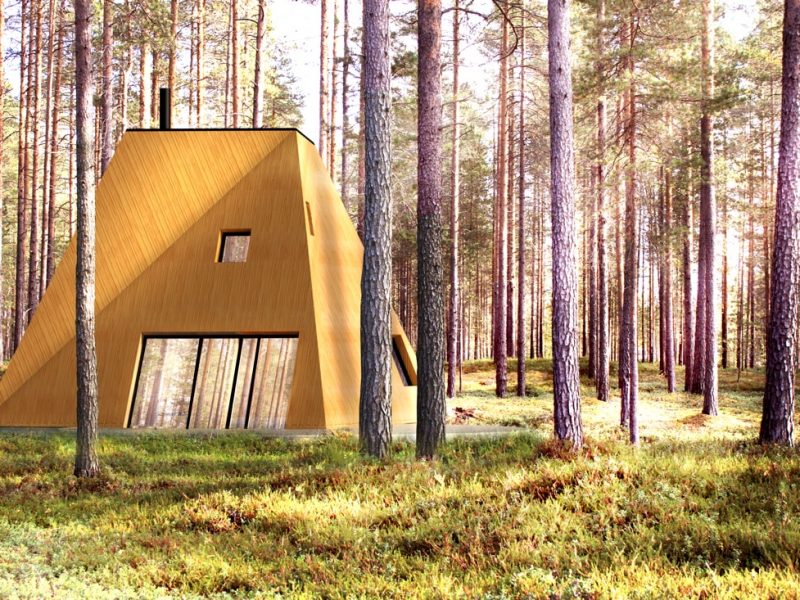
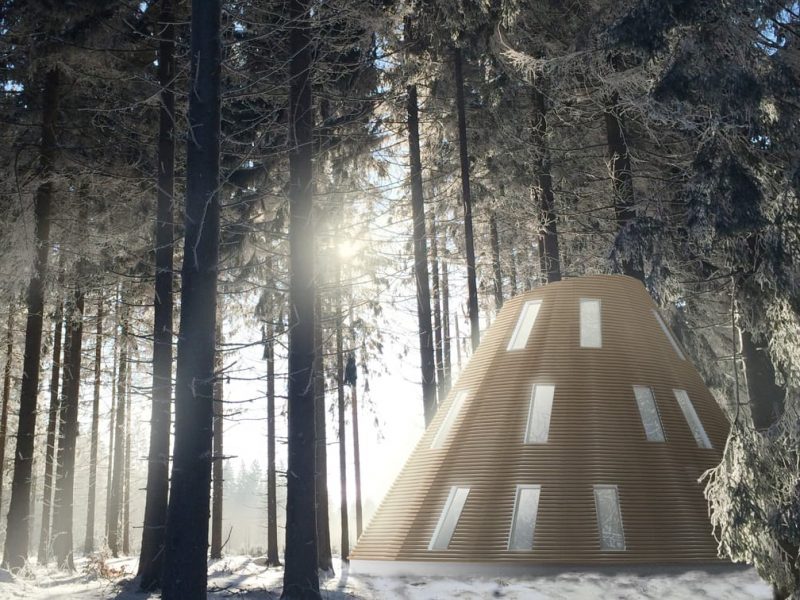
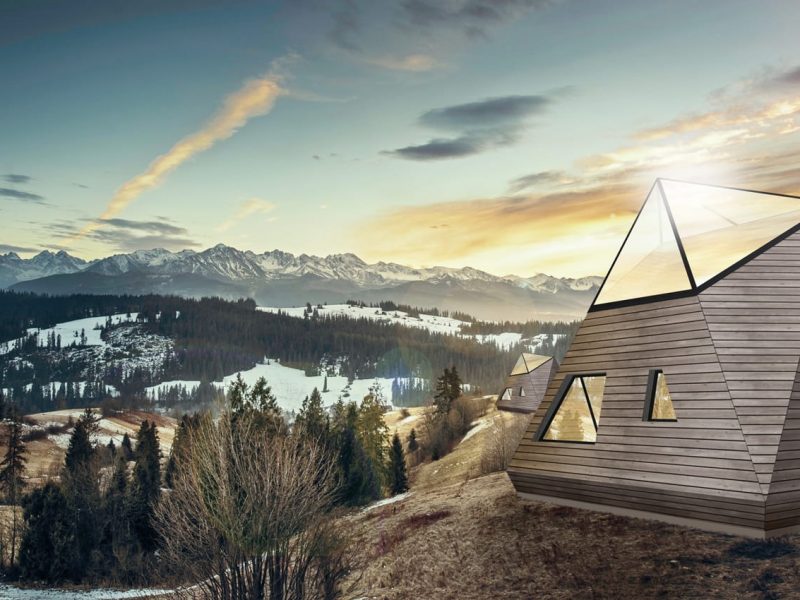
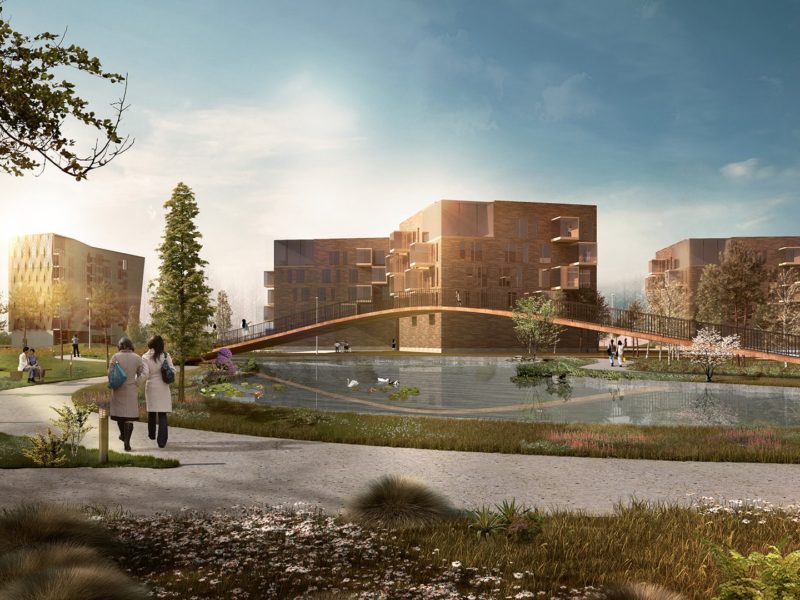
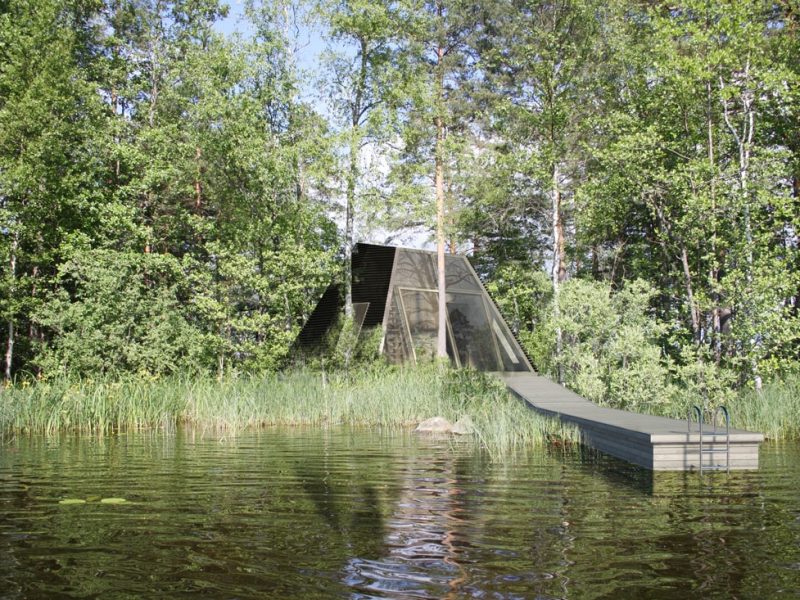
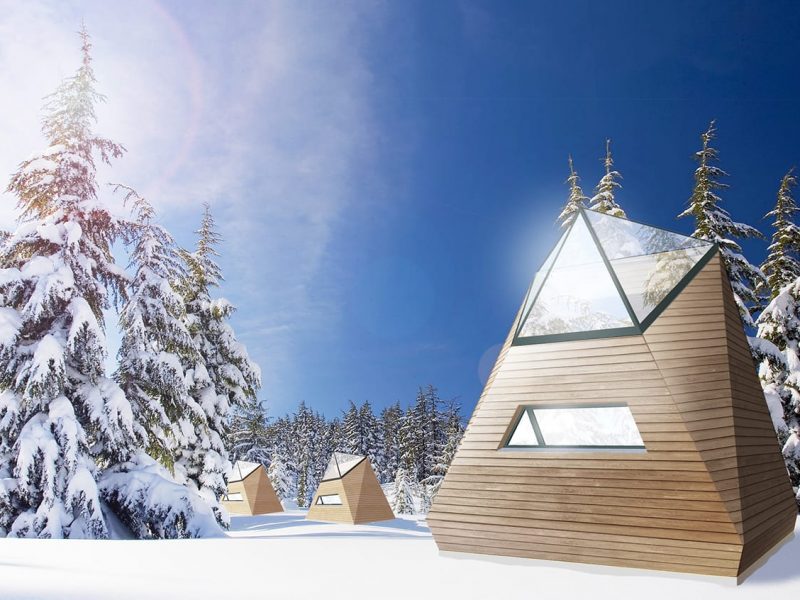
Ihana Koti explores the topic of homelessness with the aim of bringing it into the public arena, highlighting the responsibility of the whole society instead of just of the official parties.
The project is currently under development. Workshops aimed at involving all actors concerned will be organized starting from autumn 2012 and an exhibition presenting the results is planned for spring 2013.
In collaboration with Ari Björn.
MUSTIKKAMAA ACTIVITY WALL
Case study around the subject of unsightly technical facilities in urban space:
Mustikkamaa, waste management pumping station, Helsinki
Proposed strategy:
Express the potential and character of the location
The open-air activity and sport vocation of Mustikkamaa
Attract users by making the place recognizable
Full advantage of the prominent seafront location is taken, identifying the activity wall as a landmark that signals itself and the qualities of its immediate environment
Use materials that reflect the ethos of the place
Timber structure and panels to blend with the natural environment of the island.
Introduce activities to encourage use: a place for everyone to enjoy
climbing wall
kids climbing
training
relax
toddlers games
In collaboration with Francesco Allaix.
(IN)VISIBLE CITY
(in)visible city recognized the need for inner cities to undergo transformation and
densification processes as opposed to the design and build of entire new parts of city solely based on an expansion logic dominated by an over-inflated property market.
By calling the public to take part in an interactive art project on the theme of city living, we aimed at stimulating the
discussion on urban quality and life-styles and raising awareness on these issues.
The installation, in the courtyard between the Museum of Finnish Architecture and the Design Museum (Helsinki), consisted of three groups of
transparent acrylic sheets mounted on large wooden frames. Each group of panels defined a portion of space across which a number of coloured pen-markers float in mid-air, suspended to barely-visible strings.
Users were invited to choose their favourite colour and approach the panels to draw, write and express their thought on their life in Helsinki.
The event ran for 10 days, during which the spontaneous intervention of the public caused this typically
under-used urban void to gain, day-by-day, more and more consistency, eventually resulting in the filling of this urban gap.
The
(in)visible city discussion table gave yet another life to the transparent panels, which were mounted in a multi layered display-structure and installed in the museum's courtyard on the occasion of the Night of the Arts.
Helsinki
15-24 July
26 Aug 2011
an event by Paolo Caravello and
Francesco Allaix
with
Museum of Finnish Architecture and
Designmuseo
INFO-HALL
Idea for student housing corridor revitalization.
The map
Students are introduced to the districts of Helsinki and invited to interact.
The corridor comes alive
Students share their experiences and tips on their life in the city.
KUORI
Kuori is an environmental art project articulating around a wooden pavilion built to function as a hub for art and performances.
The program consisted of exhibitions, performances, workshops and discussions about what is
the role of art and culture in urban context during
natural catastrophes and in post-catastrophe situations.
Kuori is our take on the
Hexayurt, an
open-source construction system originally intended to supply cheap temporary shelter in post-catastrophe scenarios.
Inspired by the modifications to the basic form proposed by
Scott Davis and Dylan Toymaker, we tackled the problem of adapting the design to make it more suitable to host events and more similar to an art gallery.
Our idea was to
create a hub, an enclosed space from which things could
expand and contaminate the space of Hauhonpuisto Park. For this reason we planned our hexayurt so that two of the six walls effectively become a large gate opening onto the outside space.
During the day, when the yurt hosts events and happenings, space and activities flow freely between the hub and the park, while at night the yurt closes its doors, becoming a reassuring enclosed shelter.
The pavilion was mostly built with MDF panels kindly donated by the
Museum of Finnish Architecture. Their black colour and shiny finish give Kuori a particulary slick appearance.
Work group:
Paolo Caravello
Riikka Kuoppala
Matti Niinimäki
Suvi Nurmi
Pasi Rauhala
Lauri Wuolio